Nombox
發現儀表板清單食譜日曆設定
AI 助理登入

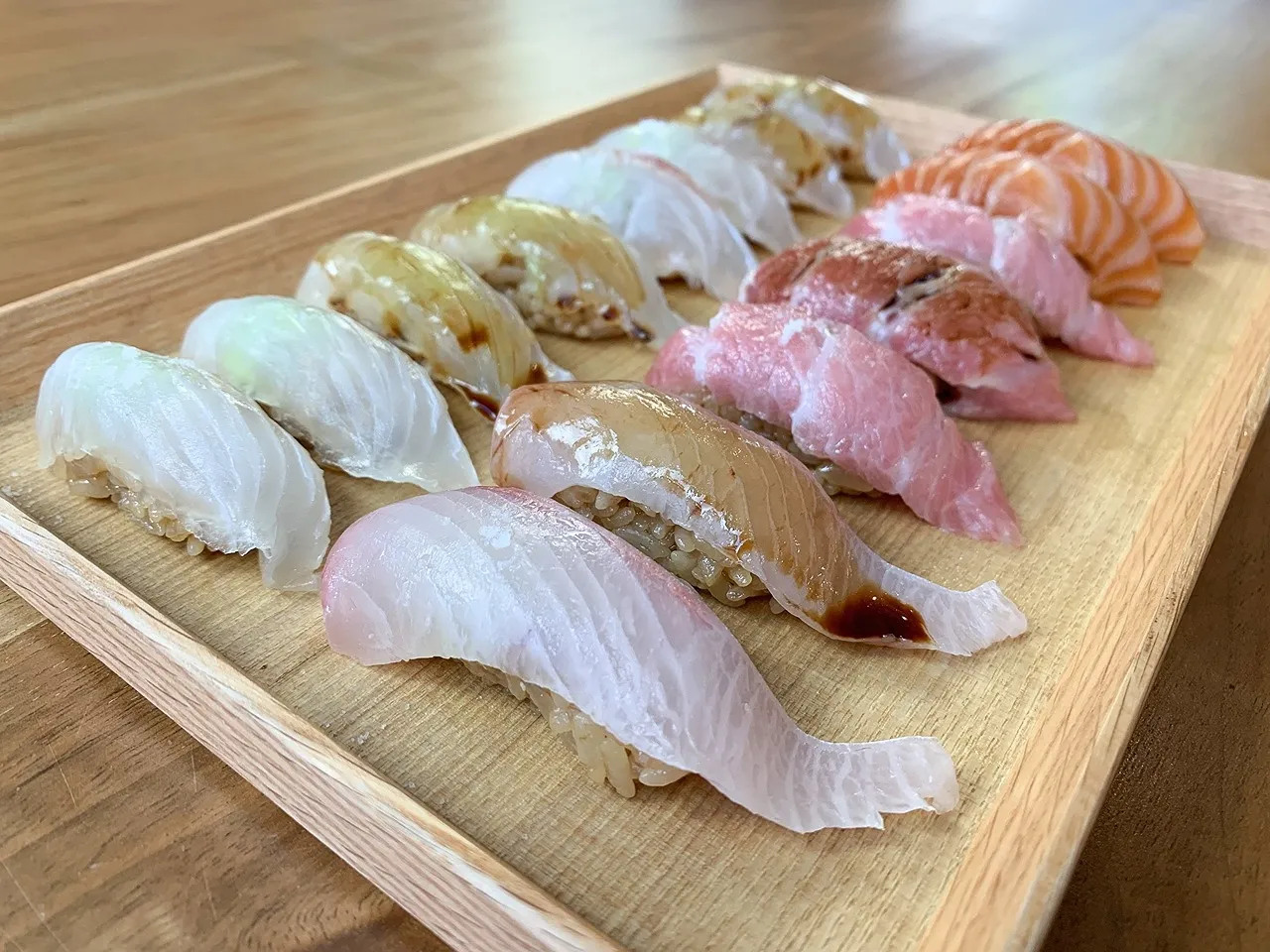
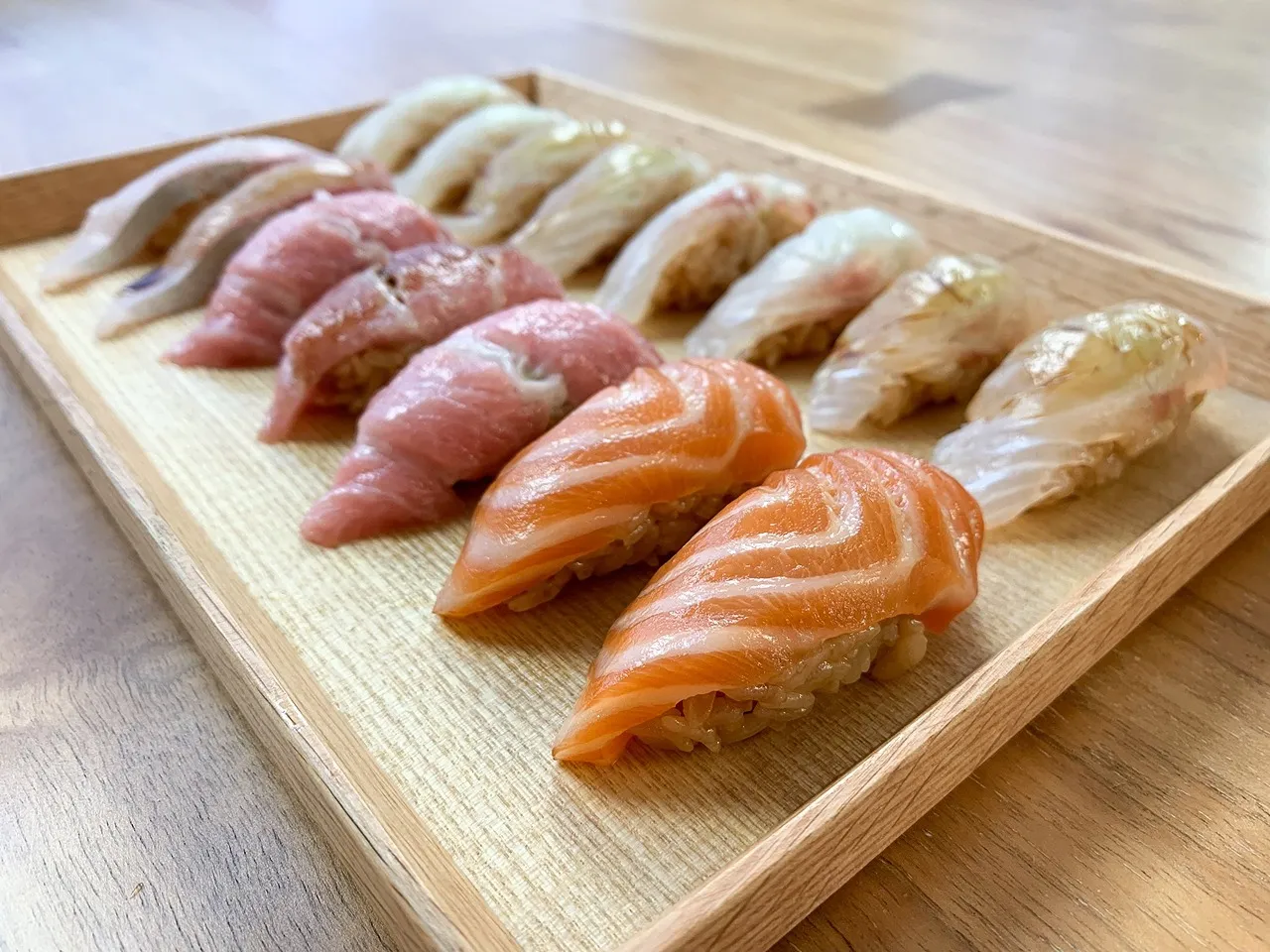
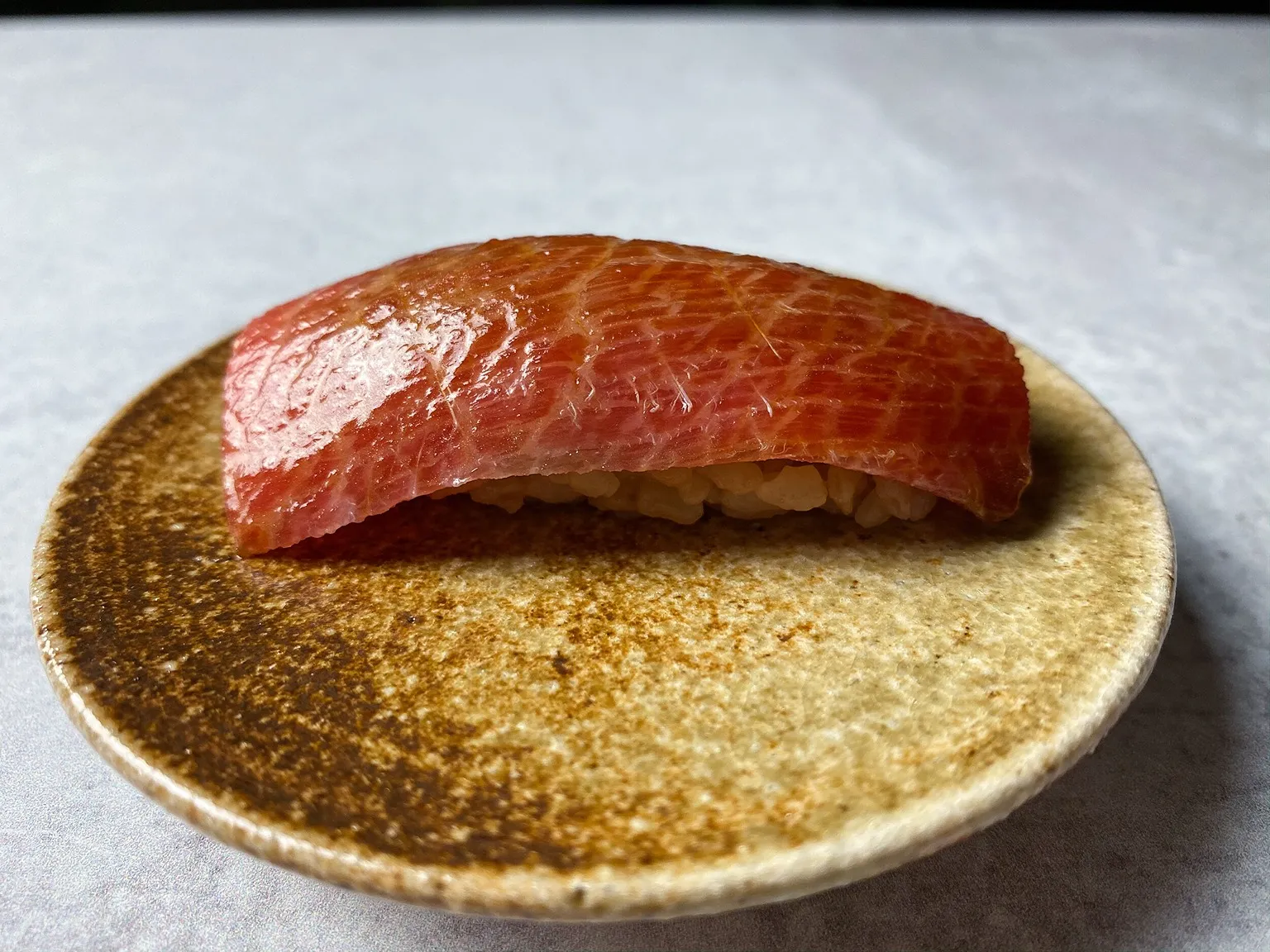
Sushi 鮨

建立者 @user_df7eac5d

Seafood
Sushi 鮨

食材

調整用量
—Sushi rice
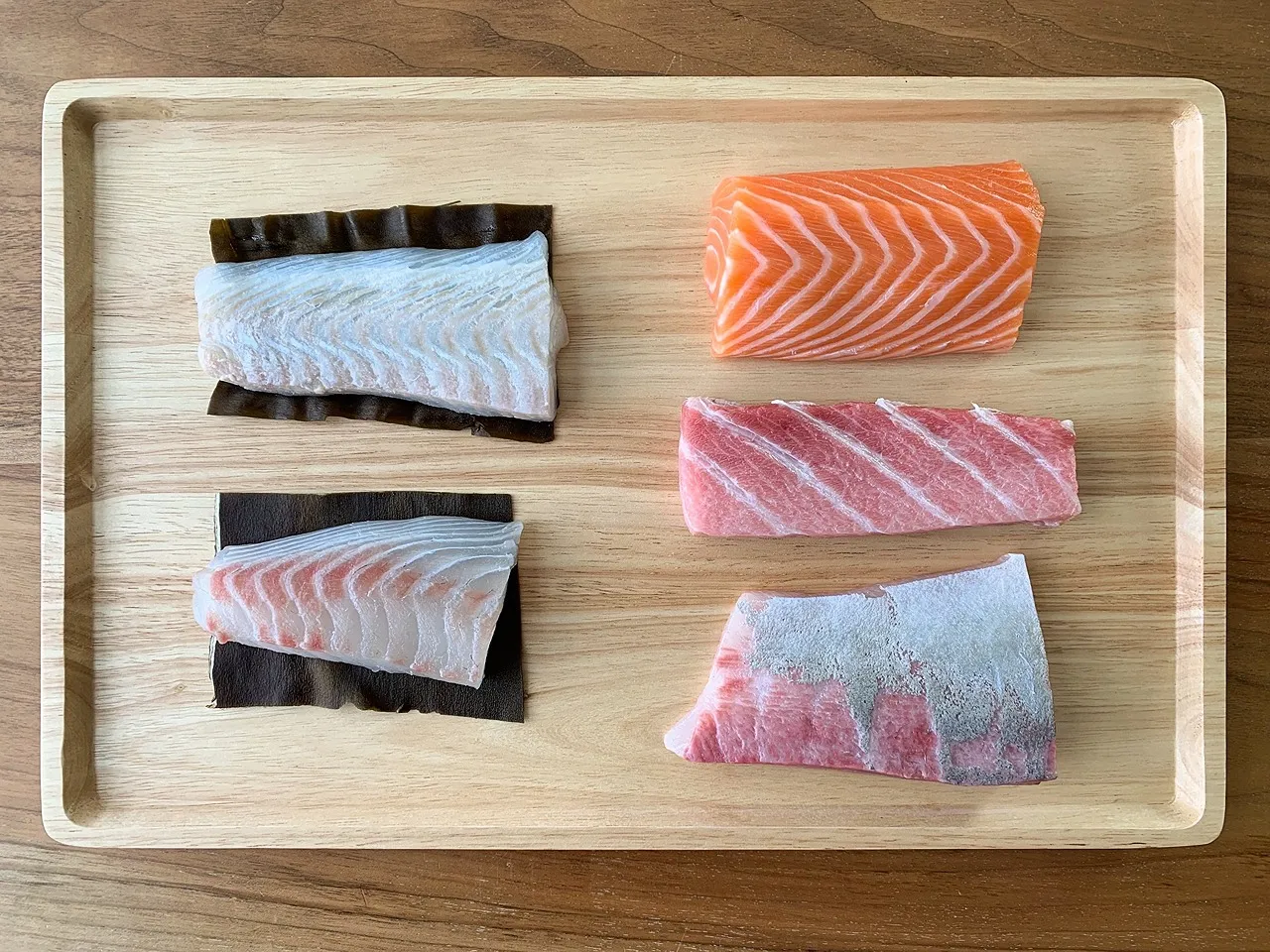
—Fish of your choice
—Wasabi
—Soy sauce
—Zuke (optional)

步驟

01

Prep sushi rice. Wash rice until water’s crystal clear, add a few sheets of kombu, and put a tad more water than you normally would when you cook the rice.

02

Cure the fish. Sprinkle some salt on the fish, wrap in plastic wrap and cure for 20 minutes.

03

Once cured, wash with cold water and pat dry. If you don’t plan on eating the sushi on the day, you can age them in the fridge. Cover in paper towel and wrap a second layer with plastic wrap.

04

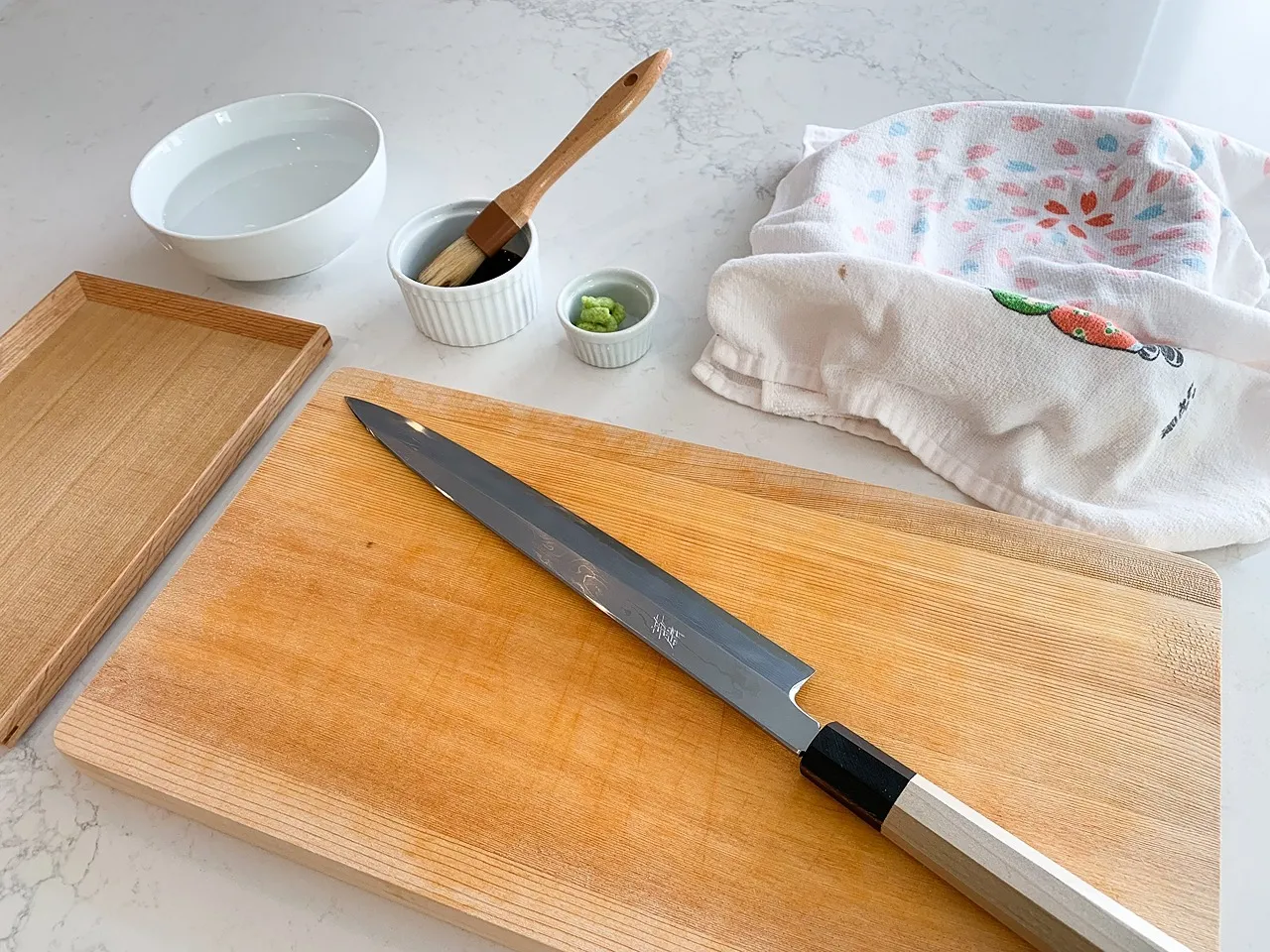
Prep the work station. Cutting board, soy sauce, wasabi, bowl of water to rinse your hand.

05

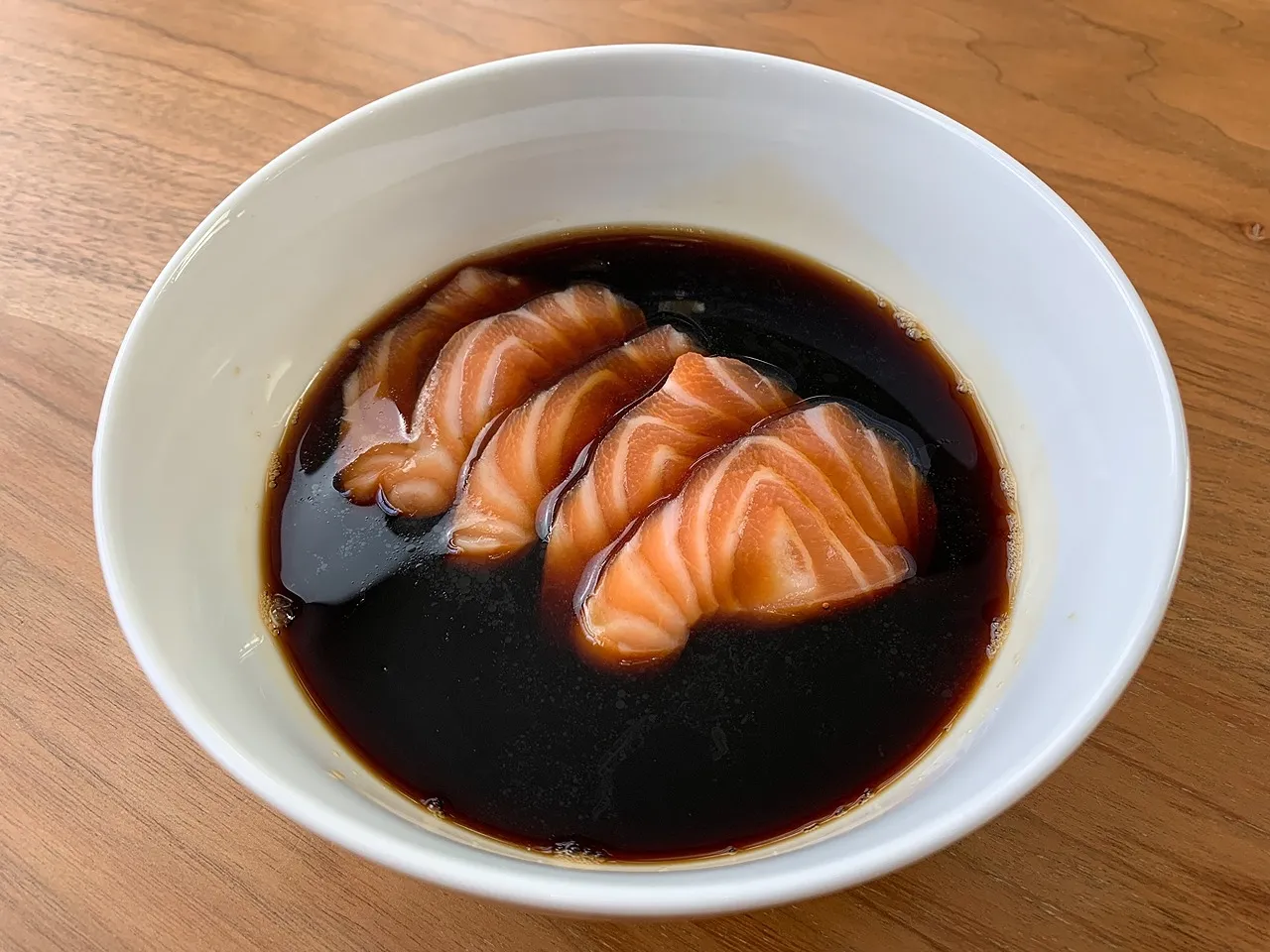
Prep any other condiments or marinades you plan to go along with your sushi. I often marinate with zuke on salmon or tuna.

06

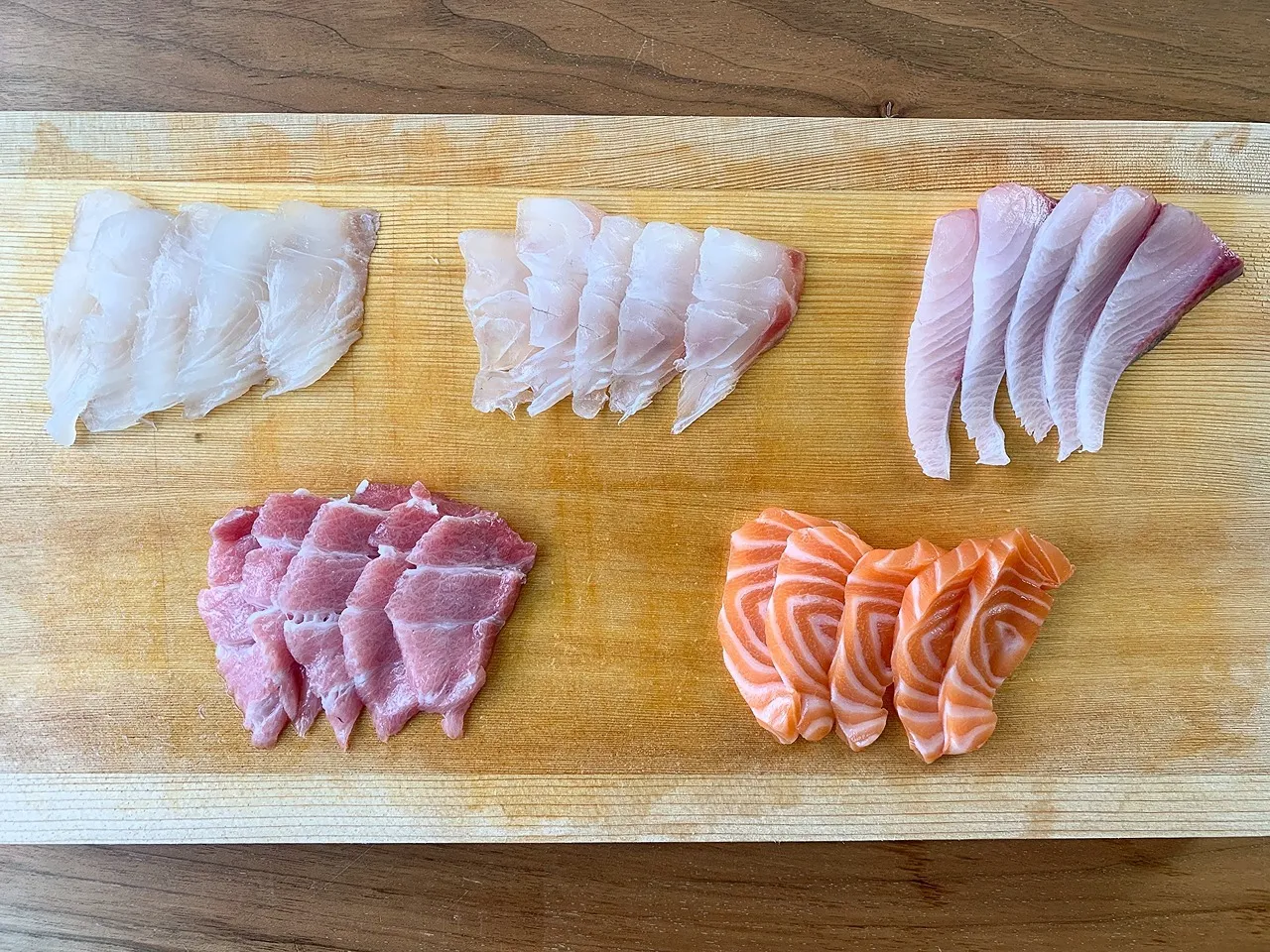
Slice the fishes.

07

Make sushi rice with sushi vinegar.

08

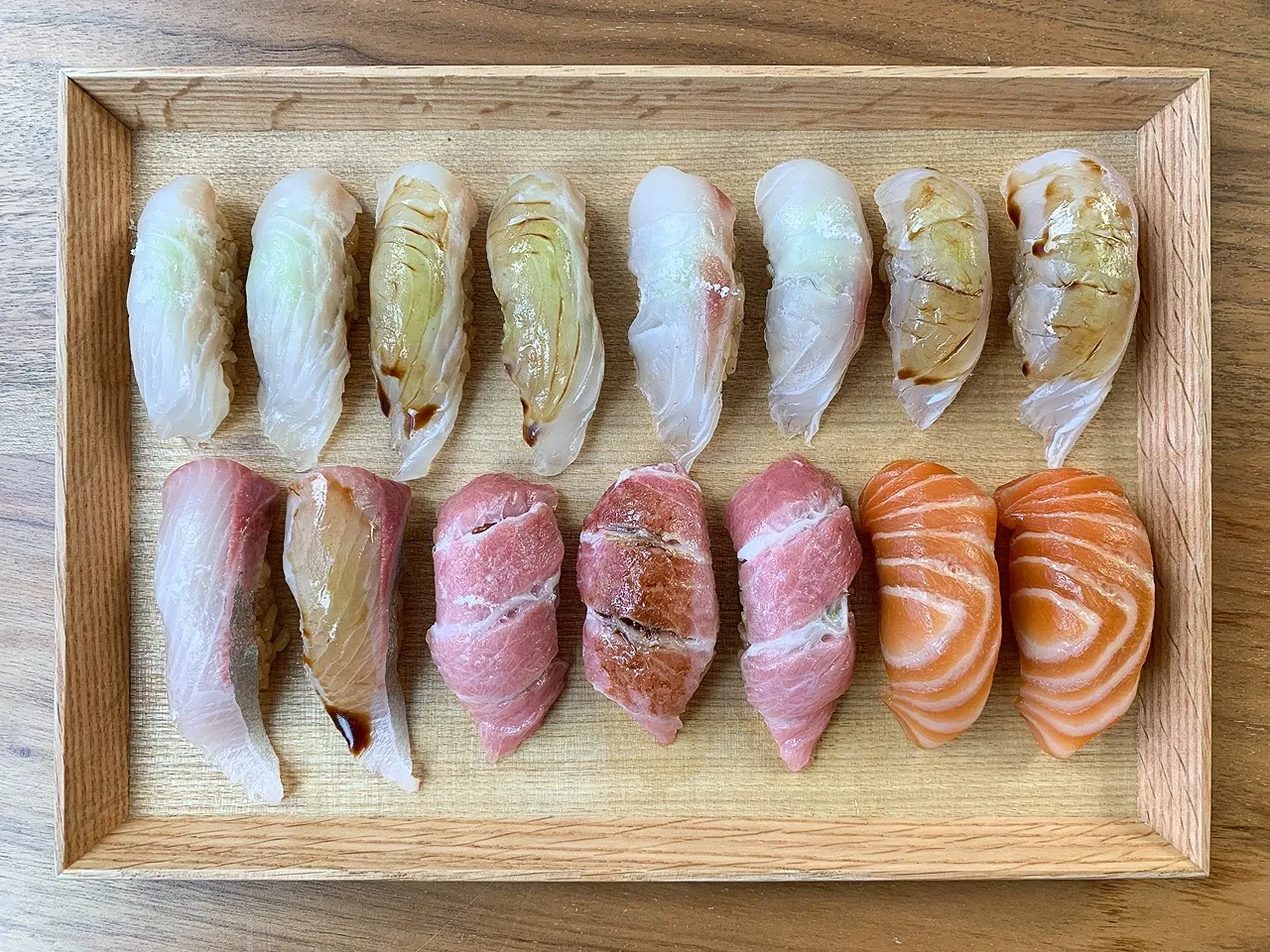
Make the sushi.
步驟 8 照片 1
步驟 8 照片 2
步驟 8 照片 3
步驟 8 照片 4
步驟 8 照片 5
步驟 8 照片 6
步驟 8 照片 7

備註

I’m a novice. I love sushi and travels to Japan occasionally indulging at some of the top shops. I don’t make anything remotely comparable, but these sure beat the average lunch boxes in America. How I learned to make the sushi was eating at sushi shops and studying the movement of sushi chefs like Saito and Sugita on IG. Like everything else, I’m untrained, unprofessional, and still suck. Study these world class sushi chef clips on repeat and practice. Aging fish is an entirely different universe that I won’t cover in detail. The type of fish, flesh condition, fridge temperature, and much more all factor into the aging process. At home, I’m only comfortable aging up to a week. It’s potentially dangerous, so seek experienced chef advice. Traditional sushi mostly involves salt and soy sauce